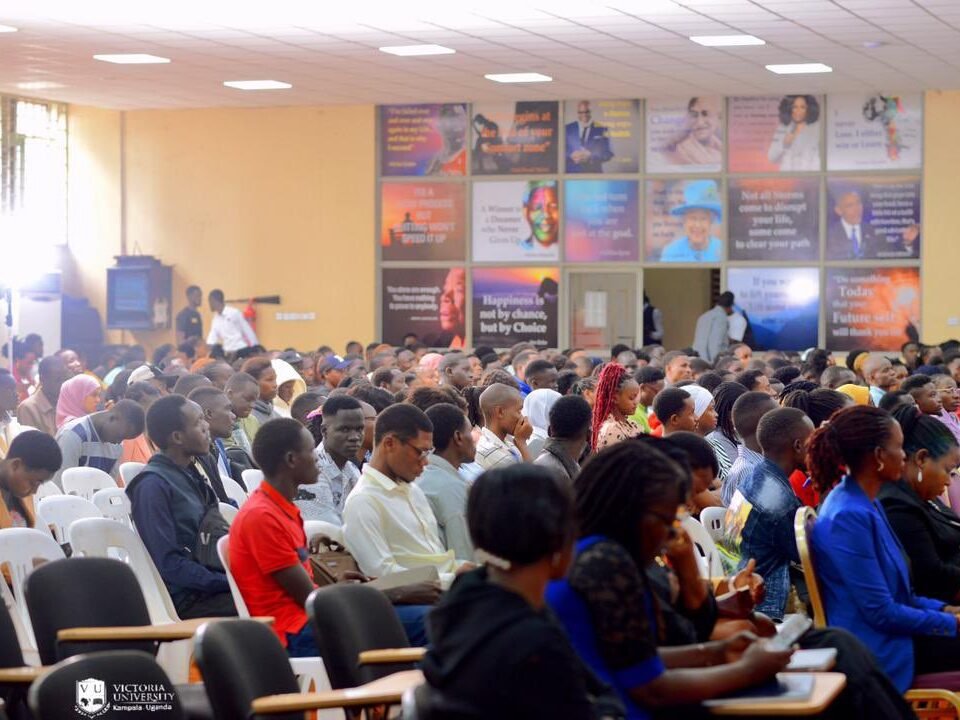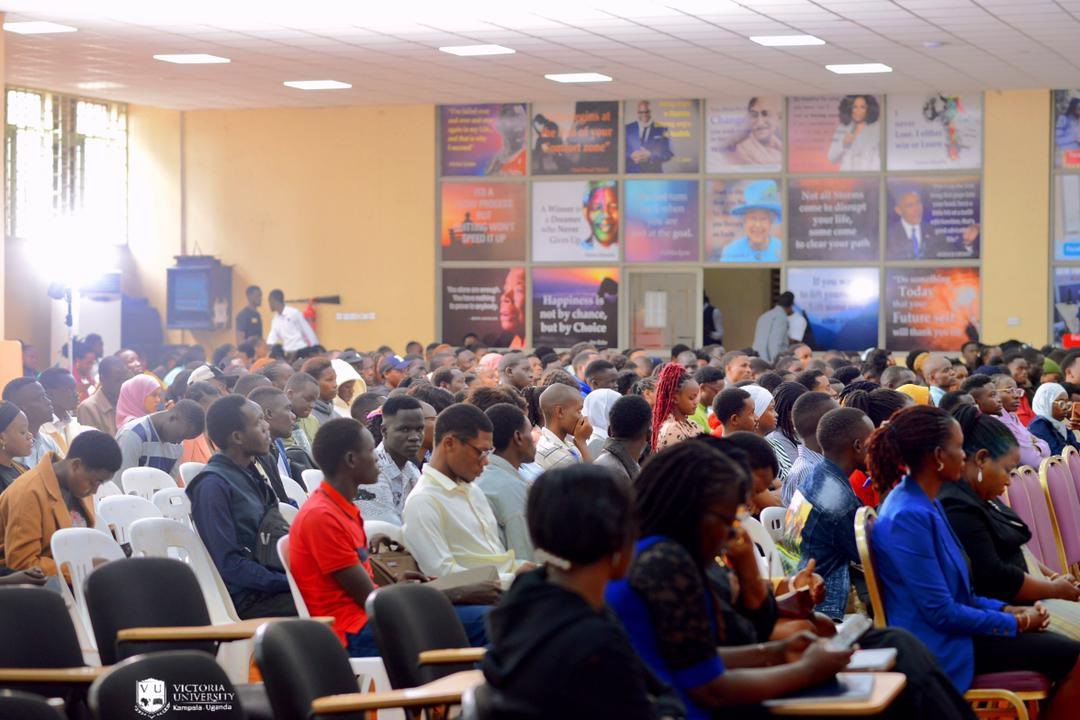

Victoria University Kampala Welcomes November 2025 Intake With a Vibrant Orientation Week.
November 24, 2025
Uganda is entering a decisive moment as the nation prepares for the presidential and general elections scheduled for January 15, 2026, according to the Electoral Commission. With just months to go, digital platforms have become central spaces for voter education, transforming the way citizens receive information about their rights, polling procedures, and candidates.
Across social media platforms such as Facebook, X, TikTok, and WhatsApp, voter-education campaigns are gaining momentum. Civil society organisations like the Women’s Democracy Group and CCEDU have launched targeted online messages aimed at first-time voters, many of whom primarily consume political information through their smartphones. Their content now includes animated explainers, simplified infographics, and short reels demonstrating how to verify registration, locate polling stations, and protect one’s vote.
At the centre of these online campaigns is a growing concern about misinformation and electoral fraud. To counter this, the Electoral Commission has increased its presence on digital platforms, publishing regular updates about the electoral roadmap, nomination schedules, and polling station guidelines. Their website and verified social media channels now carry downloadable voter-education booklets, audio clips in local languages, and video demonstrations guiding voters through the ballot-casting process.
Youth-led creators have also joined the effort, producing short, engaging voter-education videos and fact-checking content. Influencers like The Political Barber and UgDebates have used their platforms to host live sessions explaining candidate manifestos and the importance of peaceful participation. These digital voices have helped to demystify political jargon for younger audiences.
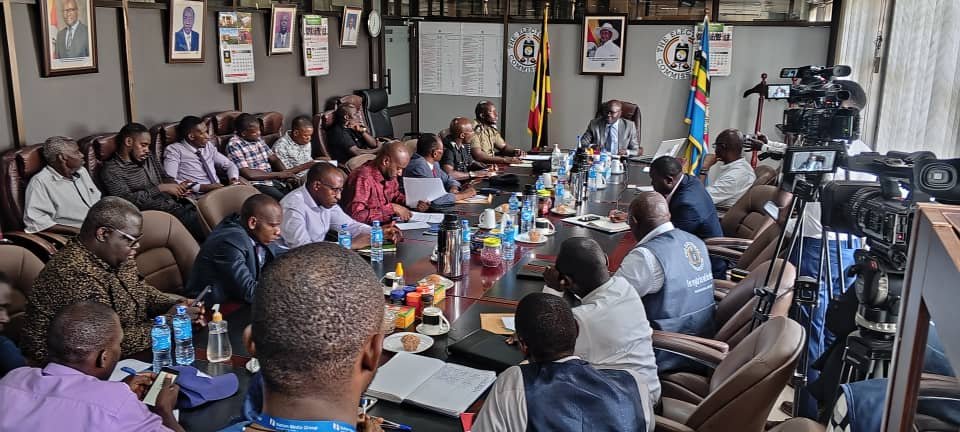
Meanwhile, community radio stations, which remain influential, are integrating online tools to extend their reach. Many now livestream their civic-education programmes on Facebook, enabling diaspora Ugandans to follow discussions and encourage relatives back home to participate responsibly.
With campaigns soon entering full swing, digital voter education is playing a critical role in shaping public understanding of the 2026 elections. Whether through infographics shared on WhatsApp groups or formal guidelines from the Electoral Commission, Ugandans are increasingly turning to online information resources to prepare for a credible and peaceful electoral process.